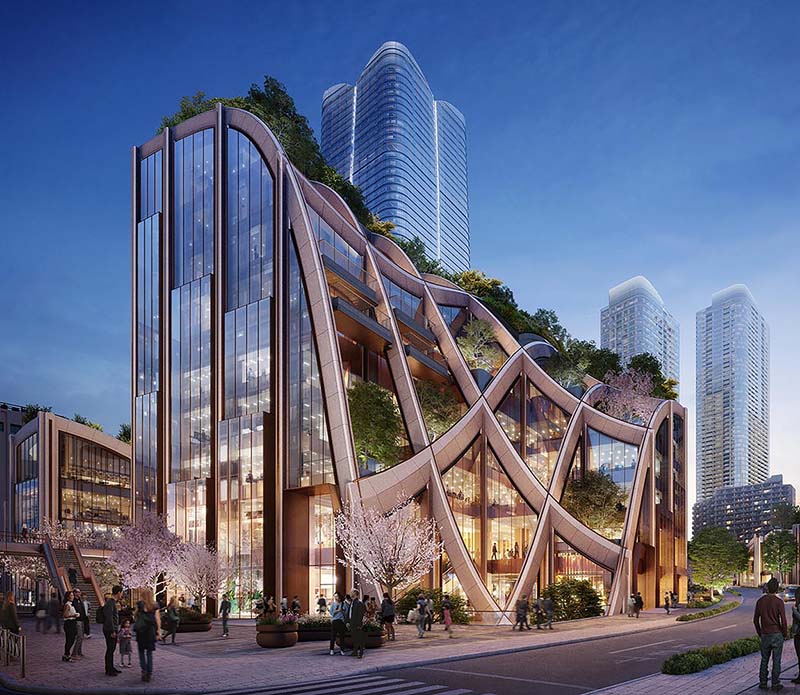
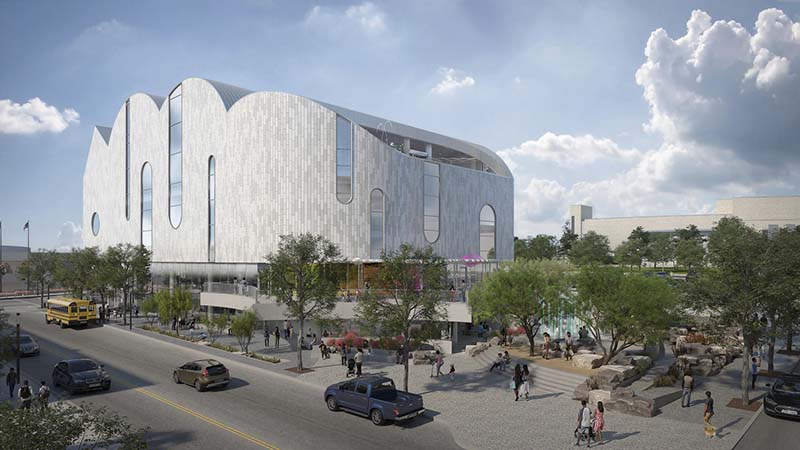
Lorem ipsum dolor sit amet, consectetur adipiscing elit, sed do eiusmod tempor incididunt ut labore et dolore magna aliqua. Egestas purus viverra accumsan in nisl nisi. Arcu cursus vitae congue mauris rhoncus
title 1
aenean vel elit scelerisque. In egestas erat imperdiet sed euismod nisi porta lorem mollis. Morbi tristique senectus et netus. Mattis pellentesque id nibh tortor id aliquet lectus proin. Sapien faucibus et molestie ac feugiat sed lectus vestibulum.
Ullamcorper velit sed ullamcorper morbi tincidunt ornare massa eget. Dictum varius duis at consectetur lorem. Nisi vitae suscipit tellus mauris a diam maecenas sed enim. Velit ut tortor pretium viverra suspendisse potenti nullam. Et molestie ac feugiat sed lectus. Non nisi est sit amet facilisis magna. Dignissim diam quis
title 2
enim lobortis scelerisque fermentum. Odio ut enim blandit volutpat maecenas volutpat. Ornare lectus sit amet est placerat in egestas erat. Nisi vitae suscipit tellus mauris a diam maecenas sed. Placerat duis ultricies lacus sed turpis tincidunt id aliquet.
اهمیت مصالح خوب در ساختوساز
مقدمه
کیفیت مصالح ساختمانی تأثیر مستقیمی بر دوام، ایمنی، ظاهر و عملکرد یک ساختمان دارد. حتی دقیقترین پروژهها از نظر طراحی نیز در صورت استفاده از مصالح نامناسب یا بیکیفیت میتوانند با مشکلات جدی مواجه شوند.
انتخاب مصالح مناسب فراتر از مقایسه قیمتها است. معماران، مهندسان و پیمانکاران باید عملکرد، دوام، شرایط محیطی، نیازهای نگهداری و کاربری مورد نظر ساختمان را در نظر بگیرند.
درک عملکرد مواد
مصالح ساختمانی مختلف برای انجام عملکردهای متفاوتی طراحی شدهاند. بتن استحکام و پایداری را فراهم میکند، فولاد میتواند بارهای سازهای بزرگ را تحمل کند، در حالی که چوب میتواند هم ویژگیهای سازهای و هم زیباییشناختی را ارائه دهد.
جنس مناسب به نیازهای خاص هر پروژه بستگی دارد. آب و هوا، قرار گرفتن در معرض رطوبت، تغییرات دما، بارهای سازهای و شرایط محیطی محلی همگی باید قبل از گرفتن تصمیم نهایی در نظر گرفته شوند.
دوام و ارزش بلندمدت
موجودی که در هنگام ساختوساز ارزان به نظر میرسد، اگر به تعمیرات یا تعویض مکرر نیاز داشته باشد، ممکن است در طول زمان گران تمام شود.
مواد بادوام میتوانند هزینههای نگهداری بلندمدت را کاهش داده and ارزش کلی یک ساختمان را بهبود بخشند. به همین دلیل، تیمهای پروژه باید به جای تمرکز صرف بر قیمت خرید اولیه، چرخه عمر کامل یک ماده را ارزیابی کنند.
ملاحظات زیباییشناختی
مصالح ساختمانی نیز تأثیر عمدهای بر هویت معماری دارند. سنگ، چوب، بتن نمایان، شیشه، آجر و فلز هر یک میتوانند هویت بصری کاملاً متفاوتی ایجاد کنند.
معماری مدرن اغلب چندین مصالح را برای ایجاد کنتراست، بافت و عمق با یکدیگر ترکیب میکند. چالش این است که اطمینان حاصل شود انتخابهای زیباییشناختی، الزامات فنی و عملکردی را نیز برآورده میکنند.
انتخاب مواد پایدار
ملاحظات زیستمحیطی در انتخاب مواد رو به افزایش است. شرکتهای ساختمانی و معماران به دنبال مصالحی هستند که تأثیرات زیستمحیطی کمتری داشته باشند، انرژی کمتری برای تولید نیاز داشته باشند و بتوانند دوباره استفاده یا بازیافت شوند.
مصالح با منشأ محلی همچنین میتوانند ضمن حمایت از صنایع محلی، نیازهای حملونقل را کاهش دهند. محصولات بازیافتی و با تولید مسئولانه میتوانند به شیوههای ساختمانی پایدارتر کمک کنند.
تعادل بین هزینه و کیفیت
مدیریت بودجه بخش ضروری هر پروژه ساختمانی است. با این حال، کاهش هزینهها نباید به معنای انتخاب خودکار ارزانترین مصالح موجود باشد.
رویکرد بهتر این است که تعادل مناسبی میان هزینه اولیه، عملکرد، دوام، نگهداری و ظاهر پیدا کنید. سرمایهگذاری روی مواد باکیفیتتر در نقاط بحرانی اغلب میتواند از هزینههای بیشتر در آینده جلوگیری کند.
نتیجهگیری
مصالح یکی از ارکان اساسی در ساختوساز موفق هستند. انتخاب آنها تقریباً بر تمام جنبههای یک ساختمان، از عملکرد سازهای و بهرهوری انرژی گرفته تا زیباییشناسی و نگهداری، تأثیر میگذارد.
با ارزیابی دقیق کیفیت مصالح، هزینههای چرخه عمر، اثرات زیستمحیطی و الزامات پروژه، متخصصان ساختوساز میتوانند ساختمانهایی ایمنتر، بادوامتر و آمادهتر برای آینده بسازند.
چگونه فناوری هوشمند در حال تغییر ساختمانهای مدرن است
مقدمه
Technology is transforming the way buildings are designed, constructed, and operated. Smart building systems are becoming increasingly common in residential, commercial, and industrial projects, offering new ways to improve efficiency, security, comfort, and maintenance.
A smart building uses connected technologies to collect information and respond to the needs of its occupants. Instead of operating as independent systems, lighting, heating, cooling, security, and other building services can communicate with each other.
Intelligent Building Management Systems
One of the key technologies behind smart buildings is the Building Management System (BMS). A BMS can monitor and control different systems throughout a building, including lighting, HVAC, access control, and energy consumption.
By analyzing data from sensors, these systems can automatically adjust building conditions. For example, heating and cooling systems can respond to occupancy levels, while lighting can be reduced in areas that are not being used.
Improving Energy Performance
Energy efficiency is one of the biggest advantages of smart building technology. Sensors and automated controls can help reduce unnecessary energy consumption without compromising occupant comfort.
Smart meters can provide detailed information about how and when energy is being used. Building operators can then identify inefficient systems and make informed decisions about maintenance and upgrades.
Smart Security Systems
Modern security systems are also becoming more intelligent. Access control systems, surveillance cameras, motion sensors, and automated alerts can work together to create a more secure environment.
Digital access systems can also provide detailed information about building activity, helping facility managers monitor access and respond to unusual events.
Predictive Maintenance
Another major advantage of smart technology is predictive maintenance. Traditional maintenance often relies on fixed schedules, while smart systems can monitor the actual condition of equipment.
Sensors can detect changes in temperature, vibration, pressure, or energy consumption and alert maintenance teams before a serious problem occurs. This approach can reduce downtime, extend equipment life, and lower maintenance costs.
The Future of Smart Buildings
As artificial intelligence, automation, and connected devices continue to develop, smart buildings will become even more capable. Future buildings may be able to predict occupant needs, optimize energy consumption automatically, and identify maintenance problems before they become visible.
However, successful smart buildings require more than technology. They also need thoughtful architectural design, reliable infrastructure, strong cybersecurity, and a clear understanding of how people use the space.
نتیجهگیری
Smart technology is changing the role of buildings from passive structures into responsive environments. By combining architecture, engineering, data, and automation, modern buildings can become more efficient, comfortable, secure, and sustainable.
The integration of smart technology at the design stage can help create buildings that are prepared not only for today’s needs but also for the demands of the future.
ساختوساز مدرن: از ایده تا اجرا
مقدمه
یک پروژه ساختمانی موفق، نتیجه برنامهریزی دقیق، هماهنگی و اجرا است. از اولین مفهوم معماری گرفته تا بازرسی نهایی، هر مرحله از یک پروژه نقش مهمی در تعیین کیفیت، هزینه و عملکرد بلندمدت آن ایفا میکند.
پروژه های ساختمانی مدرن اغلب شامل همکاری معماران، مهندسان، پیمانکاران، مشاوران، تامین کنندگان و کارفرمایان با یکدیگر است. ارتباط مؤثر میان این تیم های مختلف برای نگه داشتن پروژه در زمانبندی مقرر و درون بودجه ضروری است.
مرحله برنامهریزی
هر پروژه موفق با یک برنامه روشن آغاز میشود. در مراحل اولیه، معماران و تیمهای پروژه، اهداف، الزامات، بودجه و جدول زمانی مورد انتظار پروژه را مشخص میکنند.
تحلیل سایت نیز بخش مهمی از فرآیند برنامهریزی است. عواملی مانند شرایط خاک، آبوهوا، دسترسی، مقررات محلی و ساختمانهای پیرامون میتوانند بر طراحی نهایی and استراتژی ساختوساز تأثیر بگذارند.
یک برنامه توسعهیافته خوب میتواند به شناسایی مشکلات بالقوه قبل از شروع ساختوساز کمک کند و تغییرات پرهزینه را در ادامه پروژه کاهش دهد.
طراحی معماری و مهندسی
پس از تعیین نیازهای پروژه، معماران شروع به توسعه طراحی میکنند. در این مرحله، مفاهیم به نقشههای تفصیلی، مشخصات فنی و مدلهای دیجیتال تبدیل میشوند.
مهندسان در کنار معماران کار میکنند تا اطمینان حاصل کنند که سیستمهای سازهای، مکانیکی، الکتریکی و سایر سیستمهای فنی به درستی در طراحی ساختمان ادغام شدهاند.
ابزارهای مدرن مدلسازی اطلاعات ساختمان (BIM) میتوانند با اجازه دادن به تخصصهای مختلف برای کار با یک نمایش دیجیتال هماهنگ از پروژه، این فرایند را کارآمدتر کنند.
ساختوساز و مدیریت پروژه
پس از نهایی شدن طراحی و اخذ مجوزهای لازم، ساختوساز میتواند آغاز شود. مرحله ساختوساز معمولاً شامل آمادهسازی سایت، پیسازی، کارهای سازهای، ساخت نمای بیرونی، تأسیسات داخلی و نازککاری است.
مدیران پروژه نقشی حیاتی در این مرحله ایفا میکنند. آنها برنامههای زمانی را نظارت میکنند، پیمانکاران را هماهنگ میسازند، منابع را مدیریت میکنند و اطمینان حاصل میکنند که کار با استانداردهای کیفی مورد نیاز مطابقت دارد.
ارتباط منظم میان همه طرفها به جلوگیری از سوءتفاهمها کمک میکند و اجازه میدهد مشکلات احتمالی بهسرعت رسیدگی شوند.
کنترل کیفیت و بازرسی نهایی
کنترل کیفیت باید در تمام مراحل ساختوساز حفظ شود و نباید به عنوان یک مرحله نهایی در نظر گرفته شود. مصالح، کیفیت اجرا، عناصر سازهای و سیستمهای ساختمانی باید به طور منظم بازرسی شوند.
پیش از تحویل پروژه به کارفرما، ساختمان بازرسیها و آزمایشهای نهایی را پشت سر میگذارد. هرگونه مشکل باقیمانده مستند شده و پیش از اتمام رسمی پروژه برطرف میگردد.
نتیجهگیری
ساختوساز مدرن یک فرآیند پیچیده است که نیازمند همکاری میان چندین متخصص و رشته مختلف است. برنامهریزی دقیق، طراحی دقیق، مدیریت مؤثر پروژه و کنترل کیفیت مستمر برای ارائه نتایج موفقیتآمیز ضروری هستند.
وقتی این عناصر با یکدیگر کار میکنند، یک پروژه ساختمانی میتواند به آرامی از یک ایده اولیه به ساختمانی تکمیلشده که هم انتظارات عملکردی و هم زیباییشناختی را برآورده میکند، پیش برود.
آینده معماری پایدار
مقدمه
Sustainable architecture has evolved from a niche concept into one of the most important directions in modern construction. As cities continue to grow and natural resources become increasingly limited, architects and developers are looking for ways to create buildings that are both functional and environmentally responsible.
Today, sustainable design is not simply about using environmentally friendly materials. It involves a comprehensive approach that considers energy consumption, water efficiency, material selection, indoor comfort, and the long-term impact of a building on its surrounding environment.
Designing for Energy Efficiency
One of the most effective ways to improve the sustainability of a building is to reduce its energy consumption. Proper orientation, natural ventilation, high-performance insulation, and energy-efficient windows can significantly reduce the amount of energy required for heating and cooling.
Modern buildings can also integrate renewable energy technologies such as solar panels and geothermal systems. When these technologies are combined with intelligent building management systems, buildings can respond to changing environmental conditions and optimize their energy use throughout the day.
The Role of Sustainable Materials
Material selection is another important part of sustainable architecture. Architects are increasingly considering materials based on their durability, environmental impact, recyclability, and production process.
Recycled steel, responsibly sourced timber, low-carbon concrete, and locally produced materials can all contribute to reducing the environmental footprint of a construction project. Choosing durable materials can also reduce maintenance requirements and extend the useful life of a building.
Creating Healthier Interior Spaces
Sustainability is not only about protecting the environment. A truly sustainable building should also provide a healthy and comfortable environment for its occupants.
Access to natural daylight, good indoor air quality, appropriate acoustic design, and the use of non-toxic materials can improve the overall experience of a building. These considerations are becoming increasingly important in offices, residential developments, schools, and public buildings.
نتیجهگیری
The future of architecture will depend on finding a balance between aesthetics, functionality, environmental responsibility, and human comfort. Sustainable architecture provides an opportunity to create buildings that perform better while contributing positively to their surroundings.
As technology continues to develop, sustainable design will become an increasingly natural part of architectural practice rather than an additional feature added to a project.
اطلاعیه ها
متن آزمایشی
ullamcorper morbi tincidunt ornare massa eget. Dictum varius duis at consectetur lorem. Nisi vitae suscipit tellus mauris a diam maecenas sed enim. Velit ut tortor pretium viverra suspendisse potenti nullam. Et molestie ac feugiat sed lectus. Non nisi est sit amet facilisis magna. Dignissim diam quis enim lobortis scelerisque fermentum. Odio ut enim blandit volutpat maecenas volutpat. Ornare lectus sit amet est placerat in egestas erat. Nisi vitae suscipit tellus mauris a diam maecenas sed. Placerat duis ultricies lacus sed turpis tincidunt id aliquet.