Lorem ipsum dolor sit amet, consectetur adipiscing elit, sed do eiusmod tempor incididunt ut labore et dolore magna aliqua. Egestas purus viverra accumsan in nisl nisi. Arcu cursus vitae congue mauris rhoncus
title 1
aenean vel elit scelerisque. In egestas erat imperdiet sed euismod nisi porta lorem mollis. Morbi tristique senectus et netus. Mattis pellentesque id nibh tortor id aliquet lectus proin. Sapien faucibus et molestie ac feugiat sed lectus vestibulum.
Ullamcorper velit sed ullamcorper morbi tincidunt ornare massa eget. Dictum varius duis at consectetur lorem. Nisi vitae suscipit tellus mauris a diam maecenas sed enim. Velit ut tortor pretium viverra suspendisse potenti nullam. Et molestie ac feugiat sed lectus. Non nisi est sit amet facilisis magna. Dignissim diam quis
title 2
enim lobortis scelerisque fermentum. Odio ut enim blandit volutpat maecenas volutpat. Ornare lectus sit amet est placerat in egestas erat. Nisi vitae suscipit tellus mauris a diam maecenas sed. Placerat duis ultricies lacus sed turpis tincidunt id aliquet.
The Importance of Good Materials in Construction
Introduction
The quality of construction materials has a direct impact on the durability, safety, appearance, and performance of a building. Even the most carefully designed project can experience serious problems if inappropriate or low-quality materials are used.
Selecting the right materials requires more than comparing prices. Architects, engineers, and contractors must consider performance, durability, environmental conditions, maintenance requirements, and the intended use of the building.
Understanding Material Performance
Different construction materials are designed to perform different functions. Concrete provides strength and stability, steel can support large structural loads, while timber can offer both structural and aesthetic qualities.
The right material depends on the specific requirements of each project. Climate, exposure to moisture, temperature changes, structural loads, and local environmental conditions should all be considered before making a final decision.
Durability and Long-Term Value
A material that appears inexpensive during construction may become expensive over time if it requires frequent repairs or replacement.
Durable materials can reduce long-term maintenance costs and improve the overall value of a building. For this reason, project teams should evaluate the entire lifecycle of a material rather than focusing only on its initial purchase price.
Aesthetic Considerations
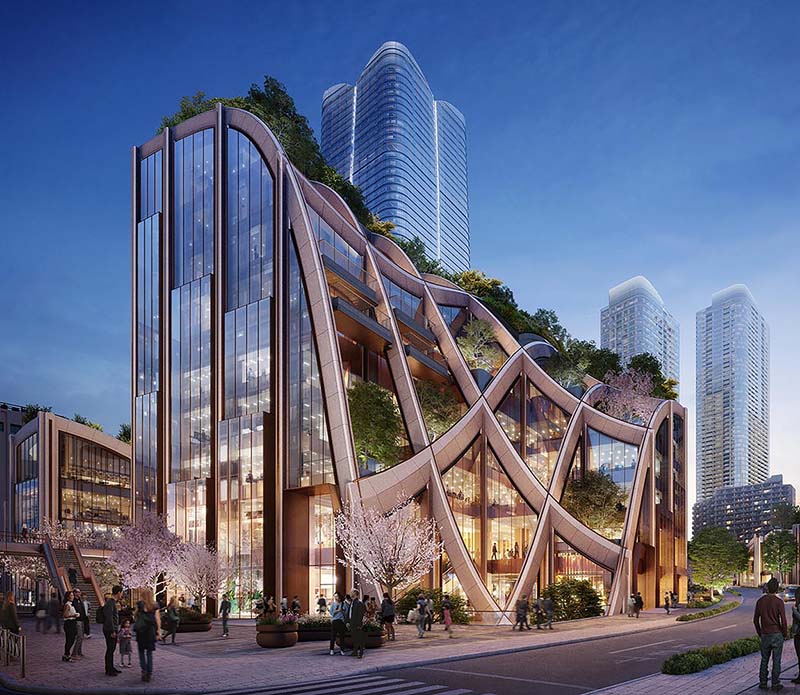
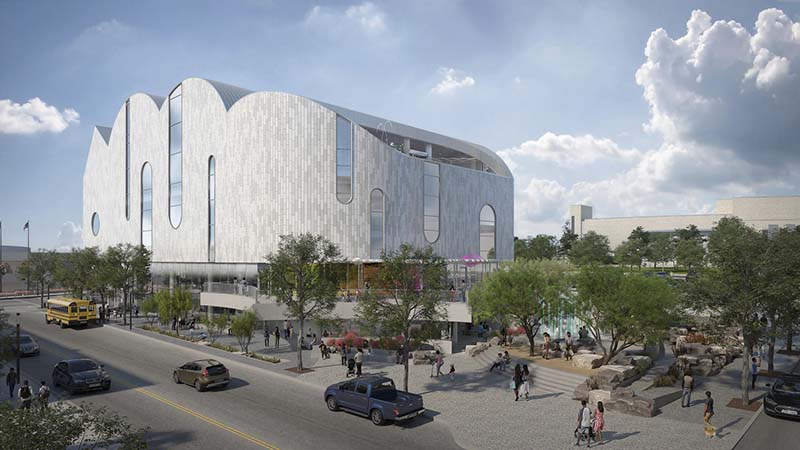
Construction materials also have a major influence on architectural character. Stone, wood, exposed concrete, glass, brick, and metal can each create a completely different visual identity.
Modern architecture often combines several materials to create contrast, texture, and depth. The challenge is to ensure that aesthetic choices also meet technical and performance requirements.
Sustainable Material Selection
Environmental considerations are becoming increasingly important in material selection. Construction companies and architects are looking for materials that have lower environmental impacts, require less energy to produce, and can be reused or recycled.
Locally sourced materials can also reduce transportation requirements while supporting local industries. Recycled and responsibly manufactured products can contribute to more sustainable construction practices.
Balancing Cost and Quality
Budget management is an essential part of every construction project. However, reducing costs should not mean automatically selecting the cheapest available materials.
A better approach is to find the right balance between initial cost, performance, durability, maintenance, and appearance. Investing in higher-quality materials in critical areas can often prevent larger expenses in the future.
Conclusion
Materials are one of the fundamental elements of successful construction. Their selection affects nearly every aspect of a building, from structural performance and energy efficiency to aesthetics and maintenance.
By carefully evaluating material quality, lifecycle costs, environmental impact, and project requirements, construction professionals can create buildings that are safer, more durable, and better prepared for the future.
How Smart Technology Is Changing Modern Buildings
Introduction
Technology is transforming the way buildings are designed, constructed, and operated. Smart building systems are becoming increasingly common in residential, commercial, and industrial projects, offering new ways to improve efficiency, security, comfort, and maintenance.
A smart building uses connected technologies to collect information and respond to the needs of its occupants. Instead of operating as independent systems, lighting, heating, cooling, security, and other building services can communicate with each other.
Intelligent Building Management Systems
One of the key technologies behind smart buildings is the Building Management System (BMS). A BMS can monitor and control different systems throughout a building, including lighting, HVAC, access control, and energy consumption.
By analyzing data from sensors, these systems can automatically adjust building conditions. For example, heating and cooling systems can respond to occupancy levels, while lighting can be reduced in areas that are not being used.
Improving Energy Performance
Energy efficiency is one of the biggest advantages of smart building technology. Sensors and automated controls can help reduce unnecessary energy consumption without compromising occupant comfort.
Smart meters can provide detailed information about how and when energy is being used. Building operators can then identify inefficient systems and make informed decisions about maintenance and upgrades.
Smart Security Systems
Modern security systems are also becoming more intelligent. Access control systems, surveillance cameras, motion sensors, and automated alerts can work together to create a more secure environment.
Digital access systems can also provide detailed information about building activity, helping facility managers monitor access and respond to unusual events.
Predictive Maintenance
Another major advantage of smart technology is predictive maintenance. Traditional maintenance often relies on fixed schedules, while smart systems can monitor the actual condition of equipment.
Sensors can detect changes in temperature, vibration, pressure, or energy consumption and alert maintenance teams before a serious problem occurs. This approach can reduce downtime, extend equipment life, and lower maintenance costs.
The Future of Smart Buildings
As artificial intelligence, automation, and connected devices continue to develop, smart buildings will become even more capable. Future buildings may be able to predict occupant needs, optimize energy consumption automatically, and identify maintenance problems before they become visible.
However, successful smart buildings require more than technology. They also need thoughtful architectural design, reliable infrastructure, strong cybersecurity, and a clear understanding of how people use the space.
Conclusion
Smart technology is changing the role of buildings from passive structures into responsive environments. By combining architecture, engineering, data, and automation, modern buildings can become more efficient, comfortable, secure, and sustainable.
The integration of smart technology at the design stage can help create buildings that are prepared not only for today’s needs but also for the demands of the future.
Modern Construction: From Concept to Completion
Introduction
A successful construction project is the result of careful planning, coordination, and execution. From the first architectural concept to the final inspection, every stage of a project plays an important role in determining its quality, cost, and long-term performance.
Modern construction projects often involve architects, engineers, contractors, consultants, suppliers, and clients working together. Effective communication between these different teams is essential for keeping a project on schedule and within budget.
The Planning Stage
Every successful project begins with a clear plan. During the early stages, architects and project teams define the project’s objectives, requirements, budget, and expected timeline.
Site analysis is also an important part of the planning process. Factors such as soil conditions, climate, accessibility, local regulations, and surrounding buildings can influence the final design and construction strategy.
A well-developed plan can help identify potential problems before construction begins, reducing costly changes later in the project.
Architectural and Engineering Design
Once the project’s requirements are established, architects begin developing the design. At this stage, concepts are transformed into detailed drawings, specifications, and digital models.
Engineers work alongside architects to ensure that structural, mechanical, electrical, and other technical systems are properly integrated into the building design.
Modern Building Information Modeling (BIM) tools can make this process more efficient by allowing different disciplines to work with a coordinated digital representation of the project.
Construction and Project Management
After the design is finalized and the necessary approvals are obtained, construction can begin. The construction phase typically involves site preparation, foundations, structural work, exterior construction, interior installations, and finishing.
Project managers play a critical role during this stage. They monitor schedules, coordinate contractors, manage resources, and ensure that the work meets the required quality standards.
Regular communication between all parties helps prevent misunderstandings and allows potential issues to be addressed quickly.
Quality Control and Final Inspection
Quality control should be maintained throughout the entire construction process rather than being treated as a final step. Materials, workmanship, structural elements, and building systems should be regularly inspected.
Before a project is handed over to the client, the building undergoes final inspections and testing. Any remaining issues are documented and corrected before the project is officially completed.
Conclusion
Modern construction is a complex process that requires collaboration between multiple professionals and disciplines. Careful planning, accurate design, effective project management, and continuous quality control are essential for delivering successful results.
When these elements work together, a construction project can move smoothly from an initial idea to a completed building that meets both functional and aesthetic expectations.
The Future of Sustainable Architecture
Introduction
Sustainable architecture has evolved from a niche concept into one of the most important directions in modern construction. As cities continue to grow and natural resources become increasingly limited, architects and developers are looking for ways to create buildings that are both functional and environmentally responsible.
Today, sustainable design is not simply about using environmentally friendly materials. It involves a comprehensive approach that considers energy consumption, water efficiency, material selection, indoor comfort, and the long-term impact of a building on its surrounding environment.
Designing for Energy Efficiency
One of the most effective ways to improve the sustainability of a building is to reduce its energy consumption. Proper orientation, natural ventilation, high-performance insulation, and energy-efficient windows can significantly reduce the amount of energy required for heating and cooling.
Modern buildings can also integrate renewable energy technologies such as solar panels and geothermal systems. When these technologies are combined with intelligent building management systems, buildings can respond to changing environmental conditions and optimize their energy use throughout the day.
The Role of Sustainable Materials
Material selection is another important part of sustainable architecture. Architects are increasingly considering materials based on their durability, environmental impact, recyclability, and production process.
Recycled steel, responsibly sourced timber, low-carbon concrete, and locally produced materials can all contribute to reducing the environmental footprint of a construction project. Choosing durable materials can also reduce maintenance requirements and extend the useful life of a building.
Creating Healthier Interior Spaces
Sustainability is not only about protecting the environment. A truly sustainable building should also provide a healthy and comfortable environment for its occupants.
Access to natural daylight, good indoor air quality, appropriate acoustic design, and the use of non-toxic materials can improve the overall experience of a building. These considerations are becoming increasingly important in offices, residential developments, schools, and public buildings.
Conclusion
The future of architecture will depend on finding a balance between aesthetics, functionality, environmental responsibility, and human comfort. Sustainable architecture provides an opportunity to create buildings that perform better while contributing positively to their surroundings.
As technology continues to develop, sustainable design will become an increasingly natural part of architectural practice rather than an additional feature added to a project.
Notifications
Lorem ipsum dolor sit amet, consectetur adipiscing elit, sed do eiusmod tempor incididunt ut labore et dolore magna aliqua. Egestas purus viverra accumsan in nisl nisi. Arcu cursus vitae congue mauris rhoncus aenean vel elit scelerisque. In egestas erat imperdiet sed euismod nisi porta lorem mollis. Morbi tristique senectus et netus. Mattis pellentesque id nibh tortor id aliquet lectus proin. Sapien faucibus et molestie ac feugiat sed lectus vestibulum. Ullamcorper velit sed
ullamcorper morbi tincidunt ornare massa eget. Dictum varius duis at consectetur lorem. Nisi vitae suscipit tellus mauris a diam maecenas sed enim. Velit ut tortor pretium viverra suspendisse potenti nullam. Et molestie ac feugiat sed lectus. Non nisi est sit amet facilisis magna. Dignissim diam quis enim lobortis scelerisque fermentum. Odio ut enim blandit volutpat maecenas volutpat. Ornare lectus sit amet est placerat in egestas erat. Nisi vitae suscipit tellus mauris a diam maecenas sed. Placerat duis ultricies lacus sed turpis tincidunt id aliquet.